
Energy Modeling
Smarter building decisions start with better data
Plan for performance, compliance, & incentives
RunBrook provides building energy modeling services to help project teams evaluate energy performance, compare design options, support code compliance, and pursue green building certifications, tax credits, and utility incentives.
Whether you are designing a new building, improving an existing property, or evaluating energy-saving strategies, energy modeling provides the data needed to make informed decisions before construction begins.
Why energy modeling matters
Compare options before you build
Energy modeling gives owners, developers, architects, engineers, and builders a clearer understanding of how a building is expected to perform before major design and construction decisions are finalized.
By comparing different envelope, HVAC, lighting, water heating, control, and renewable energy strategies, project teams can identify which options offer the strongest performance, best value, and most practical path toward compliance or certification.
-
Demonstrate that a building meets applicable energy code requirements through approved performance-based modeling paths.
-
Compare different envelope, HVAC, lighting, and system strategies to identify efficient and cost-effective solutions.
-
Estimate long-term energy use and utility costs before construction or renovation decisions are finalized.
-
Provide modeling documentation for programs such as LEED, NGBS, FGBC, ENERGY STAR, and other above-code standards.
-
Use energy modeling to support tax credits, utility incentives, rebates, or other financial programs where applicable.
-
Evaluate thermal loads and system performance to help support right-sized, efficient HVAC system design.
How building energy modeling works
Building energy modeling, often called whole-building energy modeling, is a software-based simulation used to estimate how a building will use energy. The model evaluates the building’s design, materials, systems, schedules, local weather conditions, and operating assumptions to calculate expected energy performance.
An energy model can help project teams understand how design choices affect heating, cooling, lighting, water heating, ventilation, equipment loads, comfort, operating costs, and overall building efficiency.
For many projects, energy modeling is used to demonstrate code compliance, support green building certification, compare retrofit options, qualify for financial incentives, or guide energy-efficient design decisions.
A building energy model uses physics-based software to simulate how a building is expected to perform. The model includes information about the building’s geometry, construction assemblies, mechanical systems, lighting, water heating, controls, renewable energy systems, and operating schedules.
Once the model inputs are developed, the software combines those assumptions with local weather data to estimate heating and cooling loads, system response, energy consumption, utility costs, and comfort-related performance metrics.
This helps project teams understand not only how much energy a building may use, but why it uses that energy and which design decisions have the greatest impact.
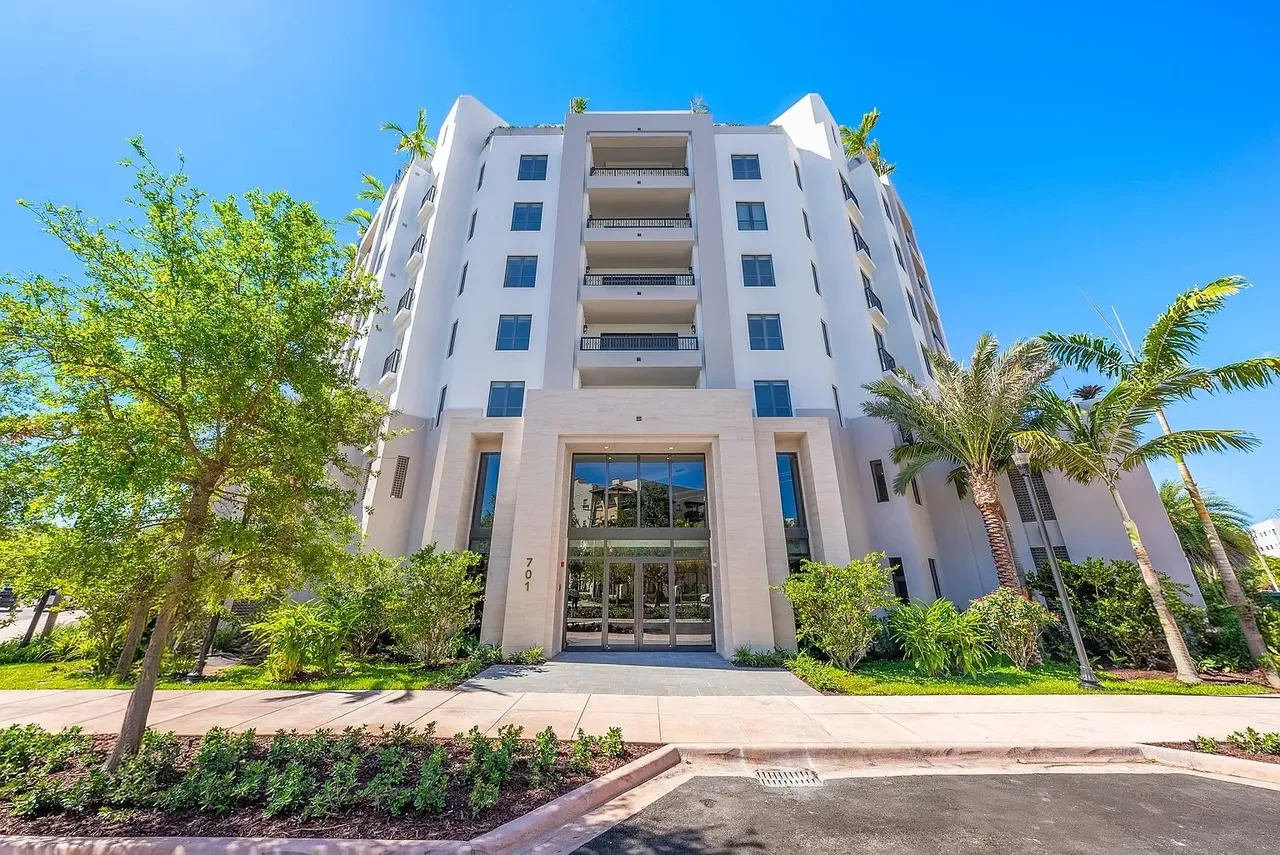
RunBrook provided energy modeling services for 701 Valencia, an FGBC-certified high-rise project in Coral Gables, Florida.
Energy modeling for IECC compliance
Support for evolving energy code requirements
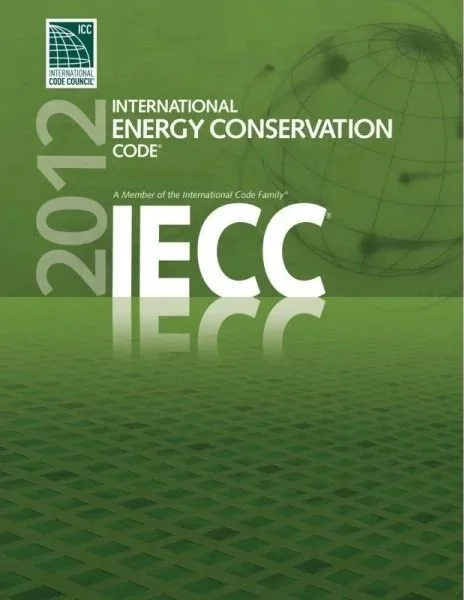
The International Energy Conservation Code, or IECC, is one of the primary model energy codes used across the United States for residential and commercial building energy performance. The IECC is updated on a regular code cycle, with recent editions including the 2021 IECC and the newer 2024 IECC. However, adoption varies by state, city, county, and local jurisdiction. Many areas are still enforcing older versions of the IECC or have adopted local amendments that change how compliance is demonstrated.
Because code adoption is not the same everywhere, it is important to confirm which version of the IECC or local energy code applies before design decisions are finalized. RunBrook can help project teams understand applicable requirements, evaluate compliance options, and prepare the documentation needed for permitting, plan review, or inspection.
Common uses for energy modeling
Energy modeling can support a wide range of project goals, including:
IECC performance path compliance
Local energy code documentation
State and jurisdiction-specific code review
New building design
Existing building retrofits
Tax credit qualification
Utility incentive applications
HVAC design support
Owner decision-making and budgeting
Whole-building performance comparisons
Green building certification
LEED documentation
NGBS certification support
ENERGY STAR program support
What goes into the energy model?
Building geometry
floor area
building orientation
window-to-wall ratios
roof, wall, & floor layouts
space types & zoning
Lighting & plug loads
lighting power density
occupancy schedules
equipment loads
controls & sensors
Envelope & materials
wall assemblies
roof insulation
window performance
air leakage assumptions
thermal mass
shading conditions
Water heating & refrigerant
domestic hot water systems
pumping energy
refrigeration systems
system controls & efficiencies
HVAC systems
equipment type
system efficiencies
ventilation strategy
heating & cooling capacity
controls & schedules
fan energy
Renewable energy
solar PV systems
battery storage assumptions
renewable generation estimates
energy offset calculations
Energy modeling for new construction
Build smarter from the start
For new construction projects, energy modeling helps project teams evaluate performance before major design and cost decisions are finalized. By comparing different building assemblies, HVAC systems, lighting strategies, and control approaches, energy modeling can help identify the most effective path toward code compliance, certification, and long-term operational savings.
This process can also help reduce unnecessary upfront costs by showing where efficiency measures provide the greatest value and where certain design choices may have less impact.

Energy modeling for certifications & incentives
Support for above-code programs
Energy modeling is often required or highly beneficial for projects pursuing green building certifications, utility incentives, tax credits, or performance-based compliance paths.
RunBrook can provide modeling support for programs and goals such as:
LEED certification
NGBS certification
ENERGY STAR certification
Energy code performance paths
Tax credit documentation
Utility incentive programs
Owner sustainability goals
Carbon reduction strategies
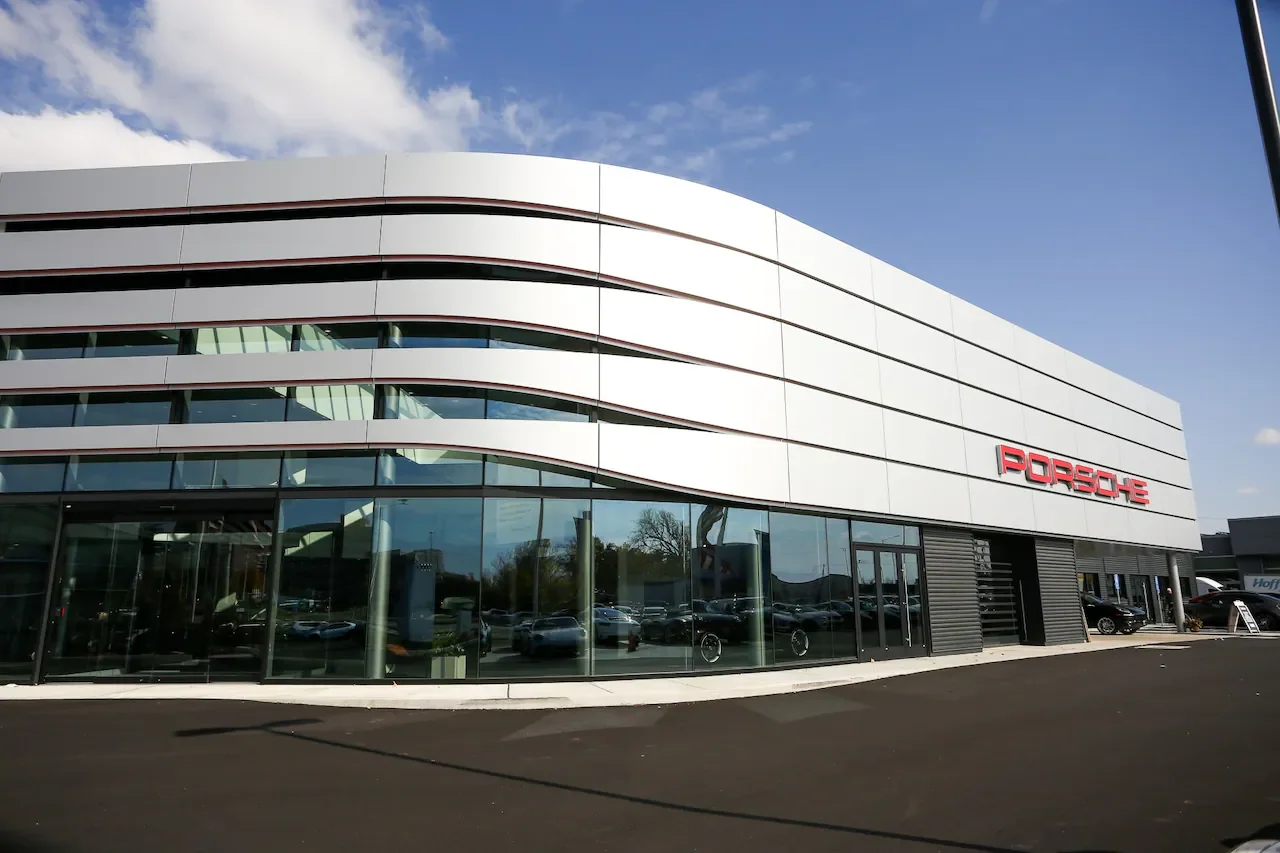
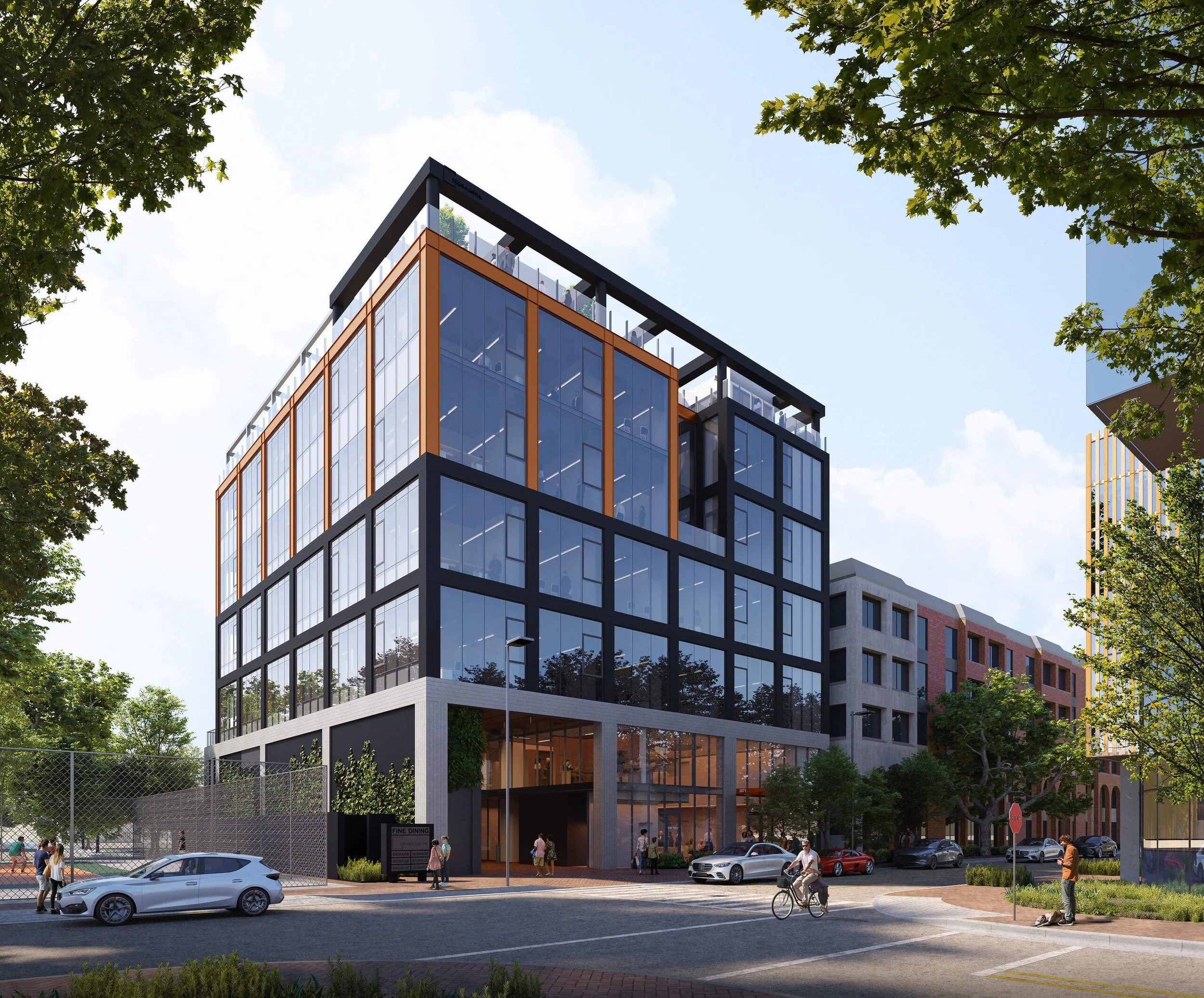
RunBrook provided energy modeling services for Porsche Hartford, a commercial project located in Hartford, Connecticut.
Our process
Clear, collaborative, and data-driven
Step - 1 Review project information
We collect and review drawings, specifications, system information, schedules, and project goals.
Step - 2 Build the energy model
Our team creates a whole-building energy model using project-specific inputs and applicable performance assumptions.
Step - 3 Analyze design options
We perform blower door, duct testing, and HERS ratings in alignment with construction schedules.
Step 4 - Provide results & documentation
We deliver ratings and documentation required for inspections, certifications, and home closings.

Why choose RunBrook?
Building performance expertise beyond the model
RunBrook brings practical building science knowledge to every energy modeling project. Because our team also supports HERS ratings, green certifications, blower door testing, duct leakage testing, HVAC grading, and quality assurance inspections, we understand how modeled assumptions connect to real-world construction and performance.
Project teams choose RunBrook for:
Whole-building energy modeling experience
Code compliance and certification support
Residential, multifamily, and commercial project expertise
Practical building science knowledge
HVAC, envelope, and system performance insight
Support for LEED, NGBS, ENERGY STAR, and other programs
Clear reporting and documentation
Collaborative support for architects, engineers, builders, and developers
Experience with new construction and retrofit projects
Frequently Asked Questions
-
Energy modeling is most valuable early in the design process, before major decisions about building envelope, HVAC systems, lighting, and materials are finalized.
-
Yes. By comparing design options, energy modeling can help identify cost-effective strategies and avoid unnecessary upgrades that may not provide meaningful performance benefits.
-
Yes. Energy modeling can help evaluate thermal loads and system performance, supporting more efficient and appropriate HVAC design decisions.
-
Typical inputs include architectural drawings, mechanical system information, construction assemblies, lighting details, water heating systems, schedules, occupancy assumptions, and project goals.
-
Yes. Energy modeling can be used to evaluate retrofit strategies, compare energy conservation measures, estimate savings, and support incentive applications.
-
Yes. Energy modeling is often used to support green building certification documentation, including LEED, NGBS, ENERGY STAR, and other above-code programs.
-
Yes. RunBrook can help interpret model results and identify practical strategies to improve energy performance, support compliance, or meet certification goals.

Prefer to talk first?
Call us at 1-833-RunBrook
(1-833-786-2766)
or email us directly at info@runbrook.com
We’ll get back to you right away!
Discuss Your Next Project
If your project requires energy modeling, certification support, HERS ratings, blower door testing, or other building performance services, RunBrook can help keep the process moving from design through final verification.