

Blower Door Testing
for code compliance & energy efficiency
RunBrook provides blower door testing services to help builders, developers, contractors, and property owners measure building airtightness, identify hidden air leaks, and support energy code compliance, HERS ratings, and green building certification requirements.
Whether your project includes a single home, a multifamily community, a production home development, or a commercial building, our team delivers accurate testing, clear documentation, and reliable coordination to keep projects moving.
Why blower door testing matters
Helps improve comfort, efficiency, and building performance
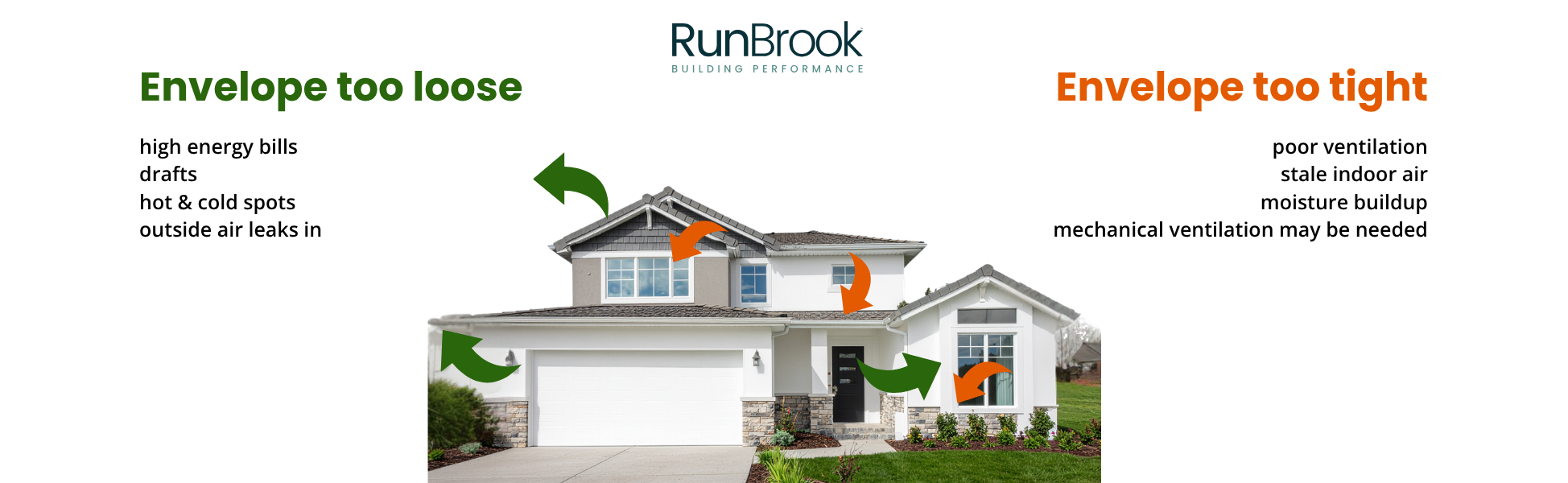
A building’s airtightness plays an important role in energy efficiency, indoor comfort, moisture control, and indoor air quality. When too much air leaks through the building envelope, heating and cooling systems have to work harder, drafts become more noticeable, and the building may be more difficult to control.
Blower door testing helps project teams understand how much air is leaking through the building envelope and where improvements may be needed.
-
Identify hidden leaks that allow conditioned air to escape and outside air to enter.
-
Reduce drafts, hot and cold spots, and uncontrolled air movement throughout the building.
-
Provide testing results and documentation for applicable residential, multifamily, or commercial energy code requirements.
-
Blower door testing provides important field data used in HERS ratings to evaluate a home’s energy performance and calculate its HERS Index score.
-
Determine how much mechanical ventilation may be needed based on the building’s airtightness.
-
Help reduce the risk of condensation issues caused by uncontrolled air movement through the envelope.
-
Confirm that air sealing and envelope details were installed correctly before project closeout.
What Is a blower door test?
Blower door testing helps determine a home’s airtightness, which plays a major role in energy efficiency, comfort, indoor air quality, and overall building performance.
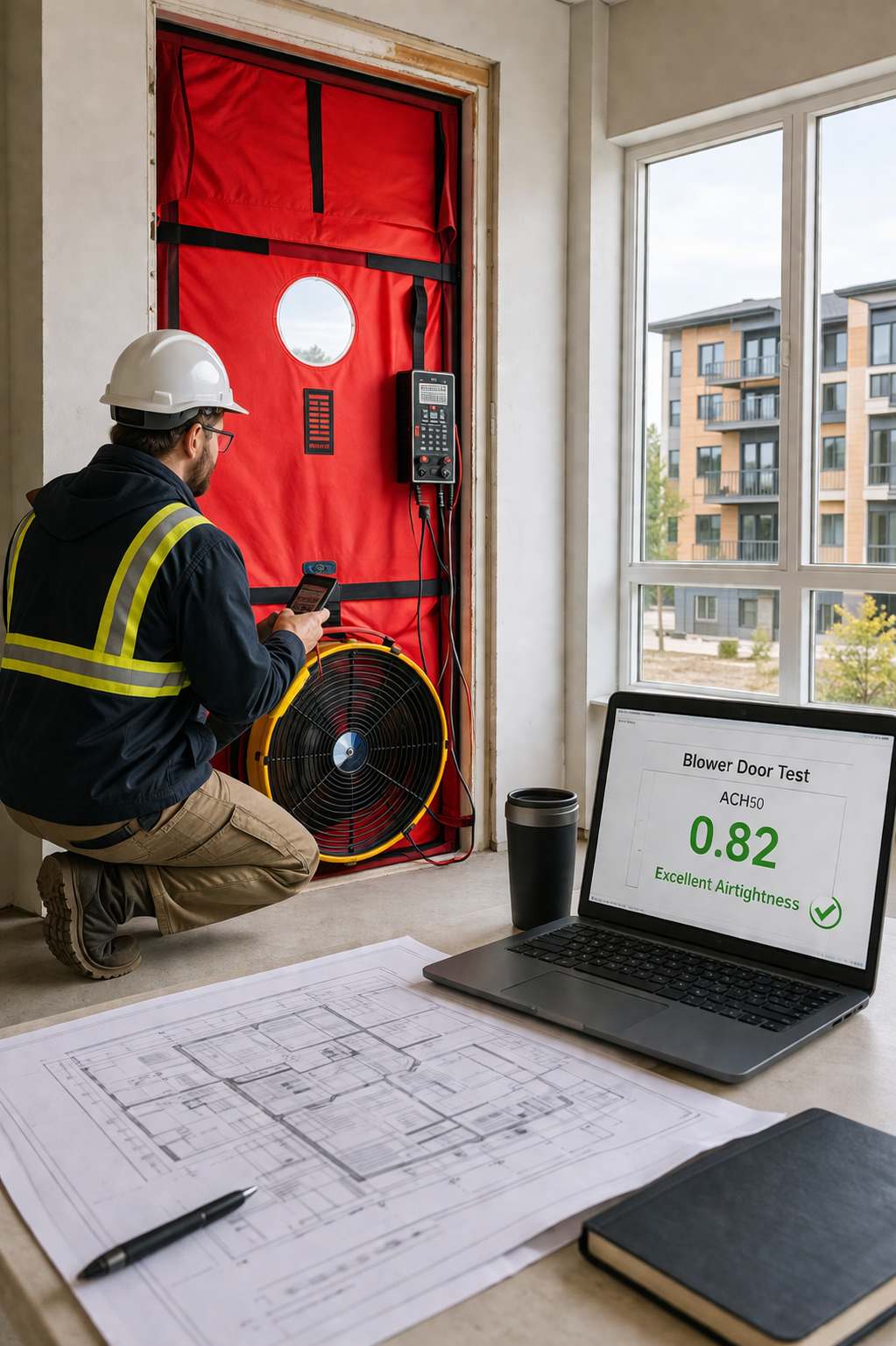
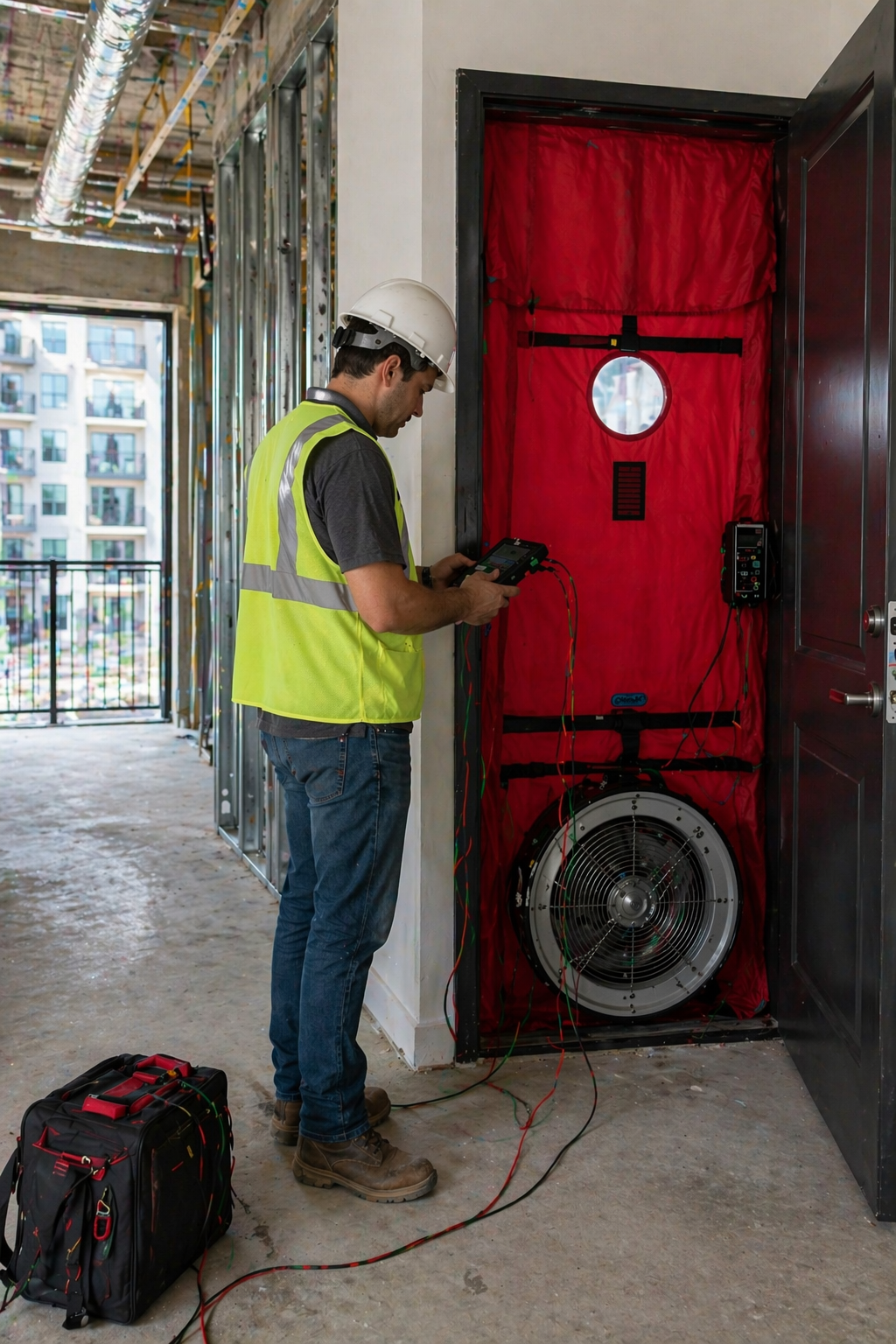
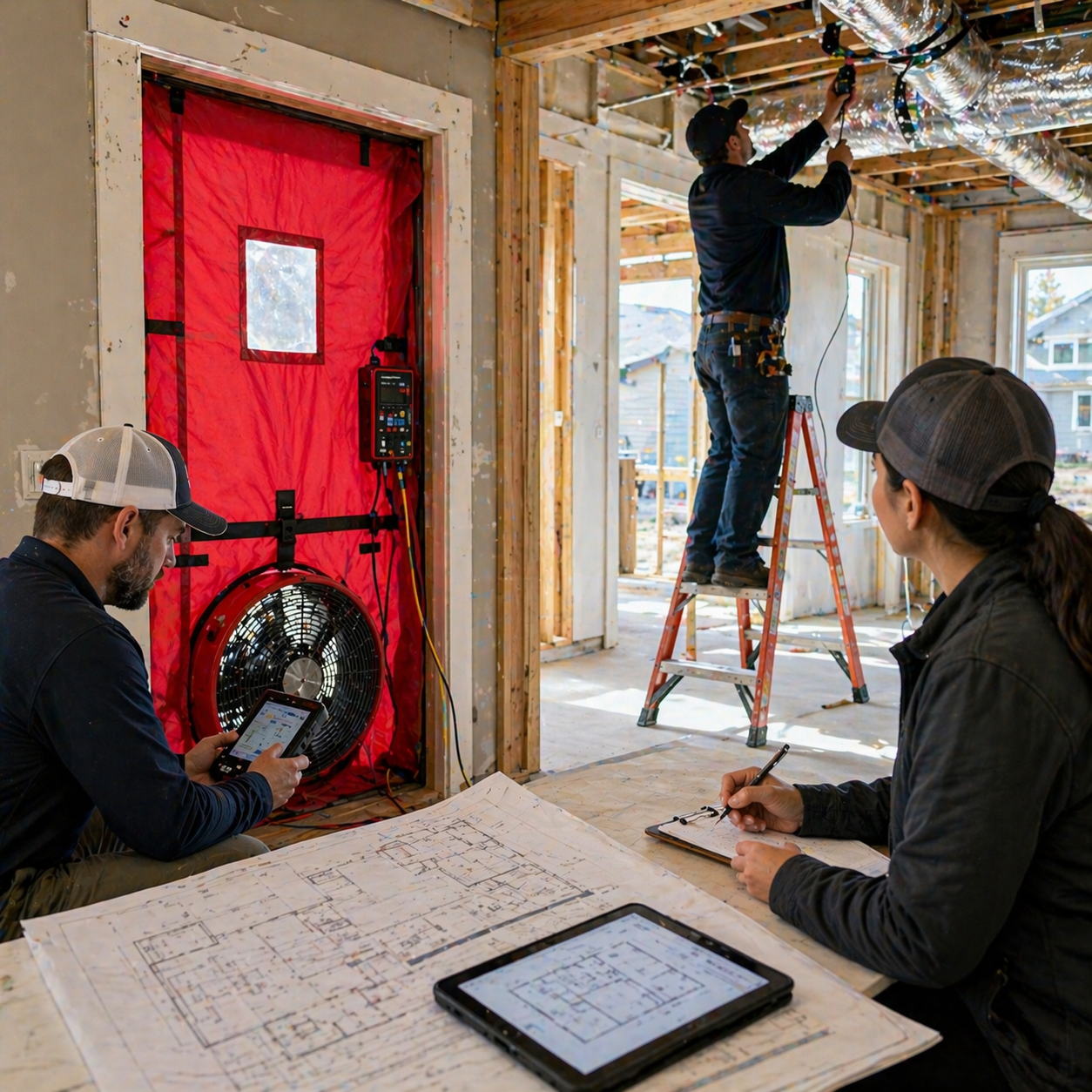
Specialized equipment is used to measure how much air leaks through a home or building. During the test, a calibrated fan is temporarily installed in an exterior doorway to create pressure changes that help identify hidden air leaks, drafts, and gaps that may affect energy efficiency, comfort, and overall building performance.
The result is a measurable air leakage rate that helps determine your building’s energy performance.
Ideal for residential & commercial properties
Fast, accurate testing for projects around the country
RunBrook performs blower door testing using calibrated equipment and recognized industry standards to provide reliable results for compliance, certification, HERS ratings, and project documentation.
Commercial blower door testing is performed in accordance with ASTM E779 standards, providing whole-building air leakage testing for commercial structures, multifamily developments, and large-scale projects.
Residential blower door testing is conducted following RESNET 310 standards to ensure consistent and reliable measurements that support energy code compliance, HERS ratings, building performance verification, and envelope efficiency.
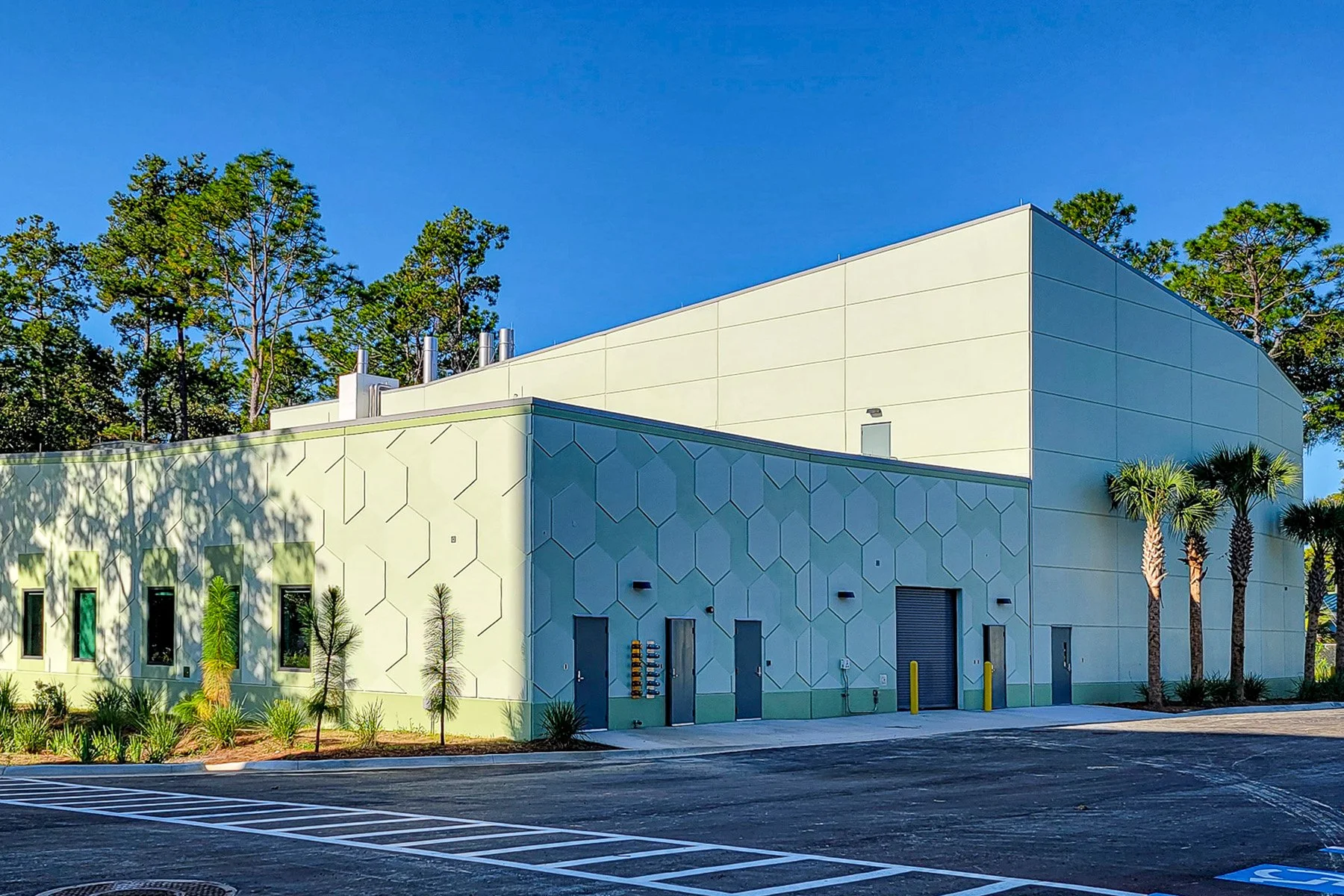
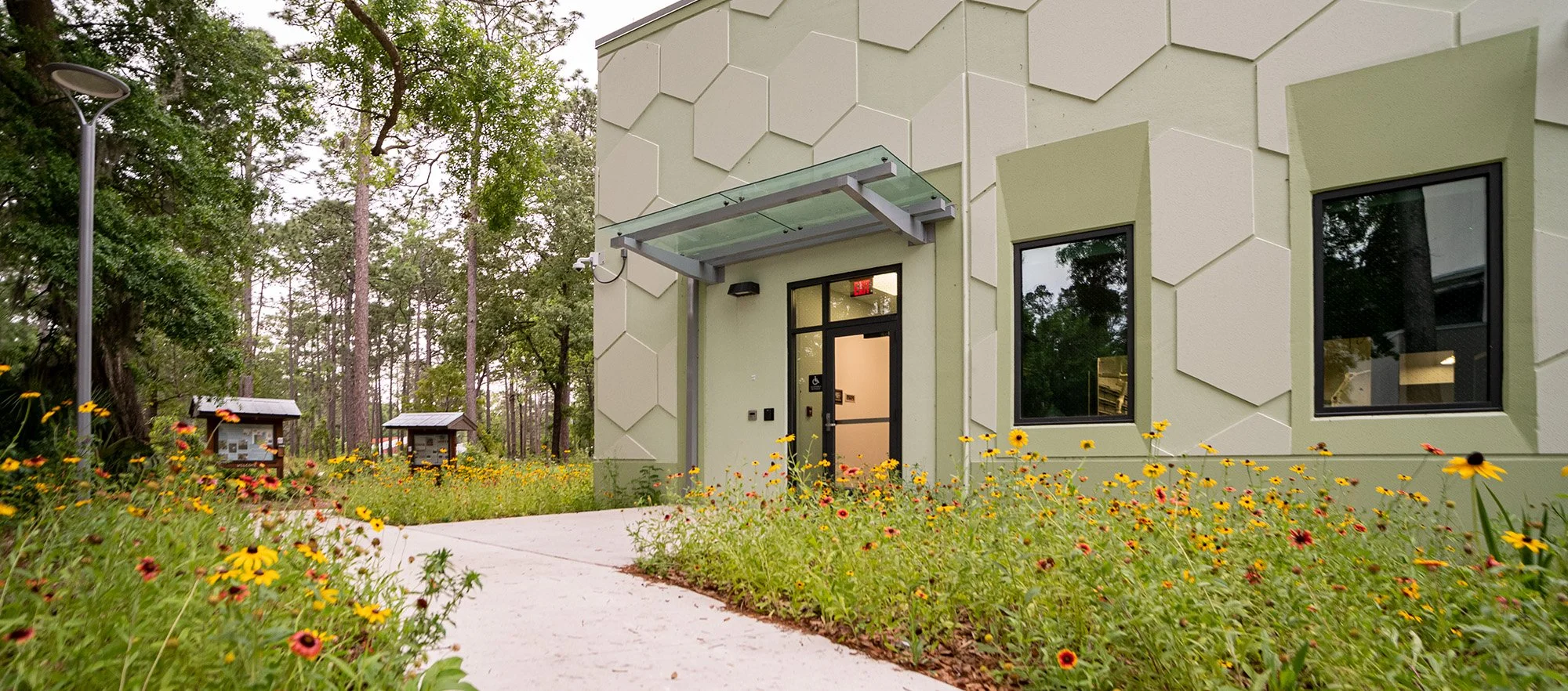
RunBrook provided commercial blower door testing for the University of Florida’s 23,000-square-foot Special Collections Building.
Blower door testing can support:
Energy code compliance
HERS ratings and HERS Index documentation
LEED certification
Builder quality assurance programs
Project closeout documentation
Building envelope performance verification
NGBS certification
ENERGY STAR requirements
FGBC certification
What RunBrook tests
Building envelope air leakage
Blower door testing evaluates air leakage through the building envelope, which separates conditioned indoor space from the outdoors.
Windows and doors
Attic access points
Recessed lighting
Electrical penetrations
Duct and chase openings
Wall and ceiling transitions
Garage-to-living-space separations
Mechanical penetrations
Plumbing penetrations
Crawlspaces and floor assemblies
Our process
Efficient and construction-friendly
Step - 1 Schedule testing
We coordinate with your project team to schedule testing at the appropriate construction phase.
Step - 2 Prepare the building
The home or building is prepared for testing based on the required procedure and project conditions.
Step - 3 Perform the test
Our technician installs the blower door equipment, runs the test, and measures the building’s air leakage rate.
Step 4 - Provide results
You receive clear documentation for compliance, project records, inspections, certifications, or program requirements.
Why choose RunBrook?
Experienced air leakage testing support
RunBrook combines technical expertise, field experience, and construction coordination to deliver dependable blower door testing services. Our team understands the needs of builders, developers, contractors, and project managers, especially on high-volume residential, multifamily, and commercial projects.
By partnering with RunBrook, builders can expect:
Reliable scheduling and fast turnaround times
Experienced technicians and calibrated equipment
Clear communication with project managers and site supervisors
Efficient coordination across multiple units and phases
Accurate testing and documentation for code compliance
Frequently Asked Questions
-
Yes. Many residential and commercial projects require blower door testing to meet local and state energy code requirements.
-
Many jurisdictions require blower door testing as part of the energy code compliance process for new residential, multifamily, and commercial construction projects. Requirements can vary by city, county, and building type. Our team stays up to date with local code requirements and can help determine whether your project requires testing and what standards must be met for approval.
-
The test measures the amount of air leakage in a building envelope, typically reported as air changes per hour (ACH).
-
Most residential tests take about 1–2 hours, while larger multifamily and commercial projects may vary depending on building size and complexity.
-
Typically, windows and exterior doors should be closed, and interior doors opened. We provide preparation instructions before your appointment.
-
If excessive leakage is found, we can help identify the areas contributing to air loss and recommend improvements to help achieve compliance.
-
Common leakage areas include attic penetrations, windows, doors, recessed lighting, ductwork, plumbing penetrations, and crawlspaces.
-
Blower door testing measures the home’s envelope air leakage, which is one of the field-tested inputs used in a HERS rating. The results help the HERS Rater evaluate energy performance and calculate the home’s HERS Index score.

Prefer to talk first?
Call us at 1-833-RunBrook
(1-833-786-2766)
or email us directly at info@runbrook.com
We’ll get back to you right away!
Discuss Your Next Project
If your project requires energy modeling, certification support, HERS ratings, blower door testing, or other building performance services, RunBrook can help keep the process moving from design through final verification.