
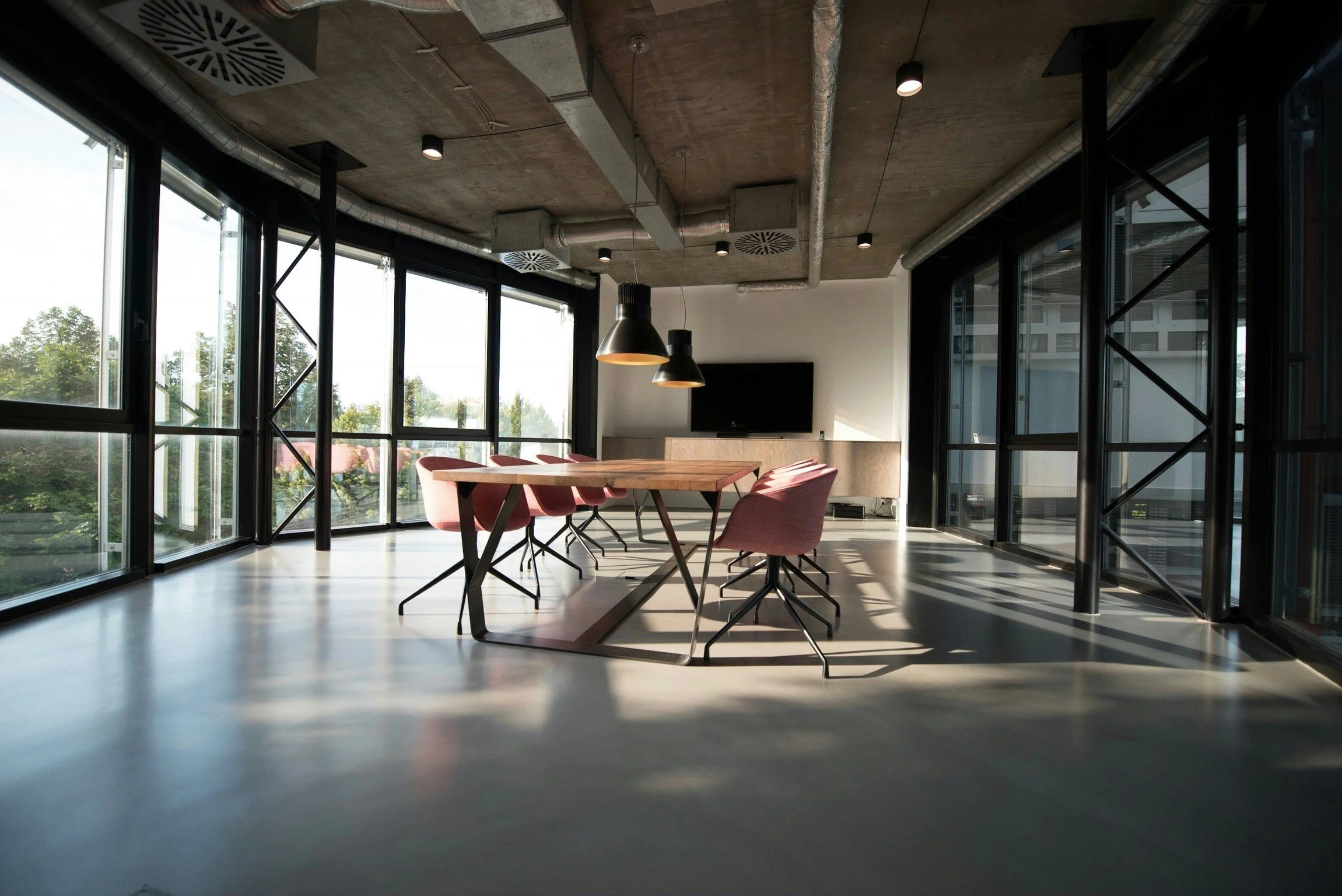
WELL Certification
Health-focused building certification for people-centered spaces
RunBrook helps owners, developers, architects, employers, and project teams pursue WELL certification with practical guidance, documentation support, performance coordination, and building science expertise.
The WELL Building Standard is administered by the International WELL Building Institute and provides an evidence-based roadmap for improving health and well-being through buildings, organizations, and communities. WELL focuses on how physical and social environments can affect the people who live, work, learn, and gather in a space.
Why WELL certification matters
Design and operate spaces that support people
WELL certification helps project teams prioritize occupant health, comfort, productivity, and well-being. While many green building programs focus primarily on environmental performance, WELL focuses specifically on the relationship between buildings and human health.
-
WELL strategies can address air quality, water quality, lighting, thermal comfort, acoustics, movement, nourishment, materials, mental health, and community.
-
WELL can help project teams evaluate ventilation, filtration, pollutants, moisture control, lighting, comfort, and acoustic conditions.
-
Certification can help communicate that a building, workplace, residence, or community has been designed with people’s health and well-being in mind.
-
For office, commercial, and institutional projects, WELL can support employer goals related to wellness, retention, productivity, and employee experience.
-
WELL can be pursued alongside LEED, Green Globes, ENERGY STAR, or other building performance certifications where project goals overlap.
-
WELL certification includes documentation, review, and performance verification elements that help demonstrate a project’s commitment to health-focused building strategies.
What is WELL certification?
WELL certification is a building certification program focused on health, wellness, and the human experience within buildings and communities. The WELL Building Standard applies scientific research to design, construction, operations, and organizational practices that can support human health and well-being.
WELL v2 is organized around 10 concept areas that address both physical building conditions and operational strategies. These include air, water, nourishment, light, movement, thermal comfort, sound, materials, mind, and community.
Depending on the project type and pathway, WELL certification may involve design strategies, operational policies, documentation, performance testing, occupant experience considerations, and ongoing verification.
RunBrook’s role
Certification guidance from building performance professionals
RunBrook can help project teams determine whether WELL, LEED, Green Globes, FGBC, NGBS, ENERGY STAR, or another certification path is the best fit for the project’s goals, budget, schedule, and performance requirements.
If WELL certification is selected, our team can help coordinate the certification process, organize documentation, identify performance-related requirements, and support building systems that affect occupant comfort and indoor environmental quality.
RunBrook can support your project with:
WELL certification strategy
Rating system comparison and guidance
Early planning and feasibility review
Documentation coordination
Indoor environmental quality strategy support
Ventilation and HVAC coordination
Energy modeling and building performance support
Building envelope review
Quality assurance inspections
Peer review services
Coordination with owners, developers, architects, engineers, contractors, and facility teams
Final certification support
WELL programs and ratings
Certification and targeted pathways for health-focused buildings
WELL includes certification and rating pathways that can support different project types, goals, and levels of effort. The right approach depends on whether the project is focused on a building, a portfolio, a health-safety goal, performance measurement, or organizational wellness. IWBI describes WELL as a framework that can be applied to buildings, organizations, and communities.
-
WELL certification is the primary pathway for projects pursuing comprehensive health and well-being strategies across the WELL Building Standard.
-
WELL Core can apply to base building projects where the owner or developer controls common areas and building-level systems, while tenant spaces may be separately occupied or fit out.
-
WELL Portfolio can support organizations looking to apply health and wellness strategies across multiple buildings or locations.
-
The WELL Health-Safety Rating is a targeted pathway focused on policies, operations, and maintenance strategies that address health and safety in buildings.
-
The WELL Performance Rating focuses on measuring, benchmarking, and improving building performance related to human health and well-being.
-
The WELL Equity Rating supports organizations working toward equity, inclusion, culture, and employee health goals.
What WELL evaluates
Ten concepts of health and well-being

AIR
Strategies that support indoor air quality through ventilation, filtration, source control, and pollutant reduction.
WATER

Measures related to drinking water quality, testing, access, and management.

NOURISHMENT
Strategies that encourage healthier food environments, transparency, and access to nutritious choices.

LIGHT
Design and operational strategies related to daylight, electric lighting, visual comfort, and circadian health.

MOVEMENT
Features and policies that encourage physical activity, active design, and reduced sedentary behavior.

THERMAL COMFORT
Strategies that help maintain comfortable indoor temperature and humidity conditions.

SOUND
Acoustic design and operational measures that reduce noise disruptions and support occupant comfort.

MATERIALS
Material selection and management strategies that limit exposure to potentially harmful substances.

MIND
Design and policy strategies that support mental health, stress reduction, restoration, and well-being.

COMMUNITY
Strategies that support inclusion, engagement, resilience, access, and social well-being.
WELL and building performance
Connecting wellness goals to real building systems
WELL certification often depends on the details of building design, operation, and performance. Indoor air quality, ventilation, filtration, lighting, acoustics, moisture control, materials, thermal comfort, and occupant experience all connect to decisions made during design and construction.
RunBrook’s building performance background helps project teams connect WELL goals with practical building systems and construction realities. Depending on the project, our support may include:
Project types we support
WELL support for commercial, residential, and community projects
RunBrook supports WELL certification and related wellness-focused certification planning for a variety of project types, including:
Office buildings
Multifamily developments
Mixed-use projects
Commercial interiors
Retail spaces
Hospitality projects
Educational buildings
Institutional buildings
Existing buildings
Tenant improvements
Residential communities
Portfolio projects
WELL and LEED
Coordinating health, sustainability, and performance goals
WELL and LEED can work together for project teams that want to address both environmental performance and occupant health. LEED focuses heavily on sustainability, energy, water, materials, and environmental impact, while WELL focuses on how buildings support health and well-being.
For projects pursuing both certifications, coordination is important. USGBC, GBCI, and IWBI have released a streamlined certification pathway for projects pursuing both LEED and WELL, which can help reduce duplication across overlapping documentation and review areas.
RunBrook can help project teams compare certification paths, identify overlap, and coordinate documentation and building performance strategies.
Certification process
A clear path from wellness strategy to certification
Step - 1 Define project goals
We begin by reviewing the project type, wellness priorities, certification goals, timeline, budget, and whether WELL is being pursued alone or alongside another certification.
Step - 2 Develop a WELL strategy
RunBrook helps identify applicable concepts, documentation needs, performance-related requirements, and opportunities for coordination with building systems and operations.
Step - 3 Coordinate documentation and performance needs
Our team works with the project team to organize documentation, support technical requirements, and coordinate building performance strategies.
Step 4 - Support final certification
RunBrook helps support the final certification process so the project can move toward WELL review, verification, and recognition.

Why choose RunBrook?
Building performance expertise for healthier spaces
RunBrook brings green building experience, building science knowledge, and practical field performance expertise to WELL projects. Because our team also provides energy modeling, energy audits, LEED support, Green Globes support, NGBS support, FGBC support, ENERGY STAR support, quality assurance inspections, and peer review services, we understand how health-focused certification connects to real-world design, construction, operation, and performance.

Project teams choose RunBrook for:
WELL certification guidance
Rating system comparison and strategy support
Indoor environmental quality and building performance knowledge
Ventilation, HVAC, envelope, and moisture control insight
Coordination with LEED and other green building certifications
Residential, multifamily, commercial, and existing building expertise
Clear documentation and communication
Support for owners, developers, design teams, contractors, and facility managers
Service throughout Florida and select projects outside Florida
Frequently asked questions
-
LEED primarily focuses on sustainability and environmental performance, while WELL focuses on occupant health and well-being. Many projects pursue both when they want to address environmental impact and human health together.
-
Yes. WELL can be applied to existing buildings, workplaces, portfolios, and organizations depending on the selected pathway and project goals.
-
The WELL Health-Safety Rating is a targeted pathway focused on operational policies, maintenance protocols, and health-safety strategies for buildings.
-
The WELL Performance Rating is a pathway focused on measuring, benchmarking, and improving building performance to support human health and well-being.
-
RunBrook should be involved as early as possible, ideally during planning or early design. Early involvement helps identify the right WELL pathway, documentation needs, building performance requirements, and opportunities to coordinate WELL with other certification goals.
-
Yes. WELL and LEED can be pursued together, and USGBC, GBCI, and IWBI have released a streamlined pathway for projects pursuing both certifications.
-
Yes. RunBrook can help compare WELL with LEED, Green Globes, FGBC, NGBS, ENERGY STAR, or other certification paths based on project goals, building type, budget, schedule, and owner requirements.
-
Yes. While many of RunBrook’s clients are located in Florida, our team can support select WELL projects outside Florida depending on project scope, schedule, and location.

Prefer to talk first?
Call us at 1-833-RunBrook
(1-833-786-2766)
or email us directly at info@runbrook.com
We’ll get back to you right away!
Discuss Your Next Project
If your project requires energy modeling, certification support, HERS ratings, blower door testing, or other building performance services, RunBrook can help keep the process moving from design through final verification.