

Energy Audits
Identify opportunities to reduce energy use, improve performance, and plan smarter upgrades
RunBrook provides energy audit services to help building owners, developers, facility managers, and project teams understand how their buildings use energy and where improvements can be made. Energy audits can identify operational issues, inefficient systems, comfort concerns, and cost-saving opportunities that support better building performance.
Our team can provide ASHRAE Level 1, Level 2, and Level 3 energy audits depending on the project’s goals, building complexity, budget, and decision-making needs. ASHRAE’s commercial building energy audit procedures establish guidelines for Levels 1, 2, and 3 of audit effort and are intended to help produce actionable audit reports.
Why energy audits matter
Understand your building before investing in upgrades
Energy audits help project teams make informed decisions about building improvements. Instead of guessing which upgrades will have the greatest impact, an audit provides a clearer picture of current building performance, energy use, system operation, and potential savings opportunities.
-
Identify building systems, operations, or equipment that may be wasting energy and increasing utility costs.
-
Evaluate HVAC, lighting, envelope, controls, water heating, and other systems that affect efficiency and comfort.
-
Understand which energy conservation measures may offer the best value, strongest payback, or greatest performance improvement.
-
Use audit findings to plan repairs, replacements, retrofits, and long-term building improvements.
-
Identify issues that may contribute to hot and cold spots, humidity concerns, poor airflow, or unnecessary equipment runtime.
-
Document energy-saving opportunities that can help reduce energy use, emissions, and operational impact.
What is an energy audit?
An energy audit is a review of a building’s energy use, systems, operations, and performance opportunities. The goal is to identify practical energy conservation measures that can reduce energy consumption, lower operating costs, improve comfort, and support long-term building performance.
Depending on the audit level, the process may include utility bill review, benchmarking, building walk-throughs, equipment inventories, operational review, interviews with building staff, engineering calculations, cost estimates, financial analysis, data logging, and energy modeling.
Energy audits are often used for:
Existing building performance improvements
Utility cost reduction
HVAC and lighting upgrade planning
Incentive and rebate applications
Due diligence before acquisition or renovation
Compliance with local energy audit requirements where applicable
Capital improvement planning
Sustainability and ESG goals
Green building certification support
ASHRAE audit levels
Choose the right level of analysis for your project
ASHRAE energy audits are commonly organized into three levels of effort. Each level provides a different depth of investigation, analysis, and reporting. A Level 1 audit is typically a preliminary walk-through, a Level 2 audit provides a more detailed energy survey and analysis, and a Level 3 audit is often used for investment-grade analysis to support major capital decisions.
ASHRAE Level 1 energy audit
Preliminary walk-through analysis
An ASHRAE Level 1 energy audit is a high-level evaluation designed to identify obvious energy-saving opportunities and determine whether further analysis is warranted. This level is often a good starting point for building owners who want a general understanding of energy performance before committing to a deeper study.
A Level 1 audit may include:
Review of utility bills and basic energy use trends
Building walk-through
General review of major energy-consuming systems
Identification of low-cost or no-cost improvement opportunities
Preliminary list of potential energy conservation measures
High-level recommendations for next steps
Best for: initial assessments, early-stage planning, portfolio screening, due diligence, and identifying quick operational improvements.
ASHRAE Level 2 energy audit
Energy survey and analysis
An ASHRAE Level 2 energy audit provides a more detailed review of building systems and energy-saving opportunities. This level is commonly used when owners need more specific recommendations, cost estimates, savings projections, and prioritization of energy conservation measures.
A Level 2 audit may include:
Utility data review and energy benchmarking
Detailed site inspection
Review of HVAC, lighting, envelope, controls, water heating, and other major systems
Equipment inventory and operational review
Identification of energy conservation measures
Estimated implementation costs
Estimated energy and cost savings
Simple payback or financial screening
Prioritized recommendations
Best for: buildings preparing for efficiency upgrades, capital planning, compliance reporting, sustainability planning, and projects that need practical recommendations with cost and savings estimates.
ASHRAE Level 3 energy audit
Investment-grade analysis
An ASHRAE Level 3 energy audit is the most detailed level of analysis and is often used when a project team is considering major capital improvements, financing, performance contracting, or complex energy conservation measures. This level provides deeper engineering analysis and more detailed financial evaluation to support investment decisions.
A Level 3 audit may include:
Detailed system analysis
Expanded field investigation
Data logging or monitoring
Energy modeling or calibrated modeling
More detailed savings calculations
Detailed cost estimates
Life-cycle cost analysis
Financial analysis for capital planning or financing
Implementation support documentation
Best for: major retrofit projects, investment decisions, performance contracts, financing support, complex buildings, and projects requiring a higher level of confidence in savings projections.
What we evaluate
Building systems that affect energy performance
RunBrook’s energy audits can evaluate the systems and conditions that contribute to building energy use, comfort, and operational cost.
Common areas of review include:
HVAC equipment and controls
Lighting systems and controls
Building envelope and insulation
Windows and doors
Domestic hot water systems
Ventilation systems
Plug loads and process loads
Building automation systems
Operating schedules
Utility bills and rate structures
Occupancy patterns
Maintenance practices
Renewable energy opportunities where applicable

Energy conservation measures
Practical recommendations for better performance
Energy audits identify energy conservation measures, or ECMs, that can help reduce energy use and improve building performance. Recommendations may include operational changes, low-cost improvements, equipment upgrades, system retrofits, controls adjustments, or larger capital projects.
Common ECMs may include:
HVAC scheduling and controls optimization
Lighting upgrades
Building automation improvements
Air sealing and envelope improvements
Duct sealing or duct system improvements
Equipment replacement or right-sizing
Ventilation optimization
Domestic hot water improvements
Motor, fan, or pump upgrades
Renewable energy or electrification strategies
Preventive maintenance improvements
Project types we support
Energy audit services for commercial, multifamily, and institutional buildings
RunBrook can support energy audits for a variety of building types, including:
Commercial buildings
Multifamily buildings
Mixed-use developments
Office spaces
Retail buildings
Institutional buildings
Clubhouses and amenity spaces
Existing residential communities
Renovations and retrofits
Municipal or public facilities
Campus or portfolio buildings
Energy audits and related services
A stronger path from findings to implementation
Energy audits often connect with other building performance services. Depending on the project goals, RunBrook can support audit findings with additional technical analysis, testing, or documentation.
Related services may include:
Our process
Clear, practical, and decision-focused
Step - 1 Define the audit scope
We begin by understanding the building type, project goals, utility concerns, budget, and desired audit level.
Step - 2 Review energy use and building information
Our team reviews utility data, drawings, equipment information, operating schedules, and other available documentation.
Step - 3 Perform the site assessment
We inspect relevant building systems, document conditions, and identify potential energy conservation measures.
Step 4 - Provide findings and recommendations
RunBrook provides clear reporting with identified opportunities, recommended next steps, and the level of analysis appropriate to the audit scope.

Why choose RunBrook?
Building performance expertise beyond the audit
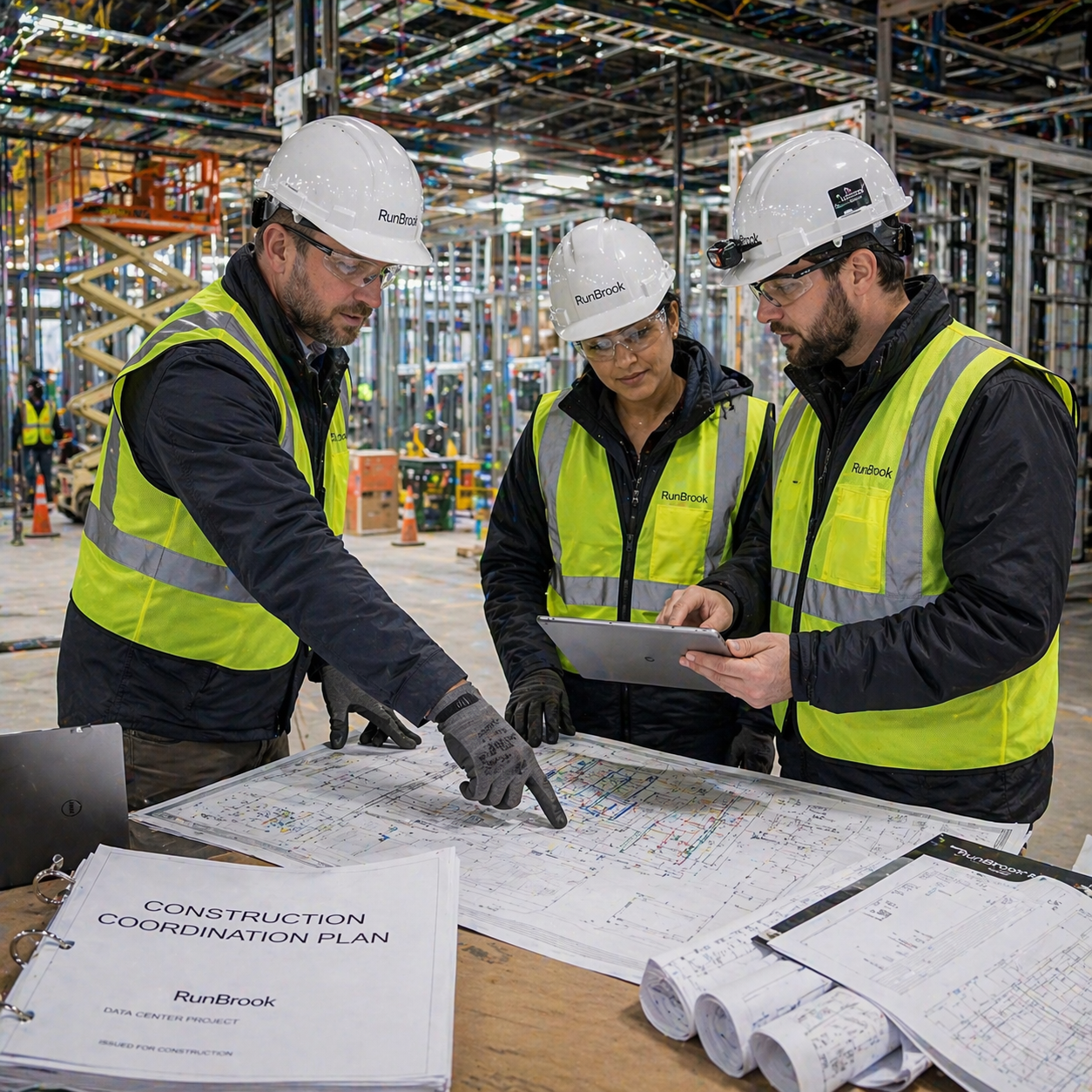
RunBrook brings practical building science knowledge, field experience, and technical analysis to energy audits. Because our team also provides energy modeling, HERS ratings, blower door testing, duct leakage testing, HVAC grading, HVAC permit packages, quality assurance inspections, peer review services, and green building certification support, we understand how audit recommendations connect to real-world performance, compliance, and construction.
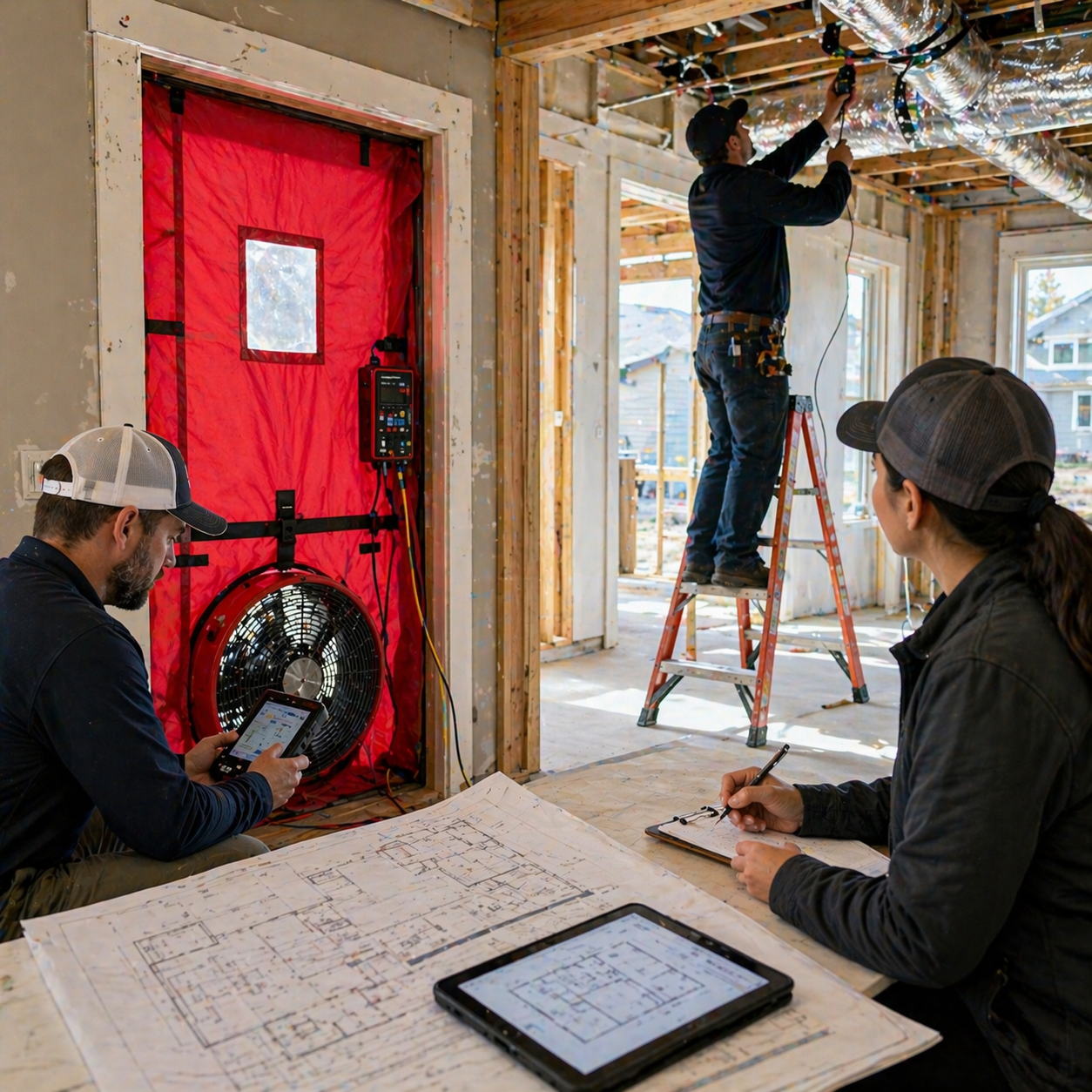
Project teams choose RunBrook for:
ASHRAE Level 1, Level 2, and Level 3 energy audit support
Building performance and energy efficiency expertise
HVAC, envelope, lighting, and controls knowledge
Residential, multifamily, commercial, and institutional project experience
Practical recommendations and clear documentation
Support for capital planning and retrofit decisions
Energy modeling and technical analysis capabilities
Coordination with owners, facility managers, contractors, and project teams
Service throughout Florida and select projects outside Florida
Frequently asked questions
-
An ASHRAE energy audit is a structured assessment of a building’s energy use and efficiency opportunities. ASHRAE recognizes three levels of audit effort, ranging from a preliminary walk-through to detailed investment-grade analysis.
-
A Level 1 audit is a high-level walk-through used to identify obvious opportunities and next steps. A Level 2 audit provides a more detailed energy survey with cost and savings estimates. A Level 3 audit provides investment-grade analysis for major capital projects, financing, or performance contracting.
-
The right audit level depends on your building, budget, goals, and decision-making needs. A Level 1 audit is a good starting point, a Level 2 audit is appropriate for most buildings seeking practical upgrade recommendations, and a Level 3 audit is best for major investments or complex retrofit decisions.
-
Useful information may include utility bills, floor plans, equipment schedules, control sequences, operating schedules, maintenance records, occupancy information, and known comfort or performance concerns.
-
Yes. Energy audits are designed to identify operational improvements, equipment upgrades, controls changes, and other energy conservation measures that may reduce energy use and utility costs.
-
Yes. Energy audit findings can help owners prioritize improvements, estimate costs and savings, and plan upgrades based on building needs and financial goals.
-
Not always. Energy modeling is typically more common in deeper analysis, especially ASHRAE Level 3 audits or projects evaluating complex energy conservation measures.
-
In many cases, yes. Energy audit findings and supporting documentation may help identify or support eligibility for utility incentives, tax credits, rebates, or other financial programs depending on the project location and scope.
-
Timing depends on the audit level, building size, complexity, and available documentation. A Level 1 audit is typically faster, while Level 2 and Level 3 audits require more detailed analysis and reporting.
-
Yes. While many of RunBrook’s clients are located in Florida, our team can support energy audits in select regions of the US. Call us to discuss whether your project is in our current service area.

Prefer to talk first?
Call us at 1-833-RunBrook
(1-833-786-2766)
or email us directly at info@runbrook.com
We’ll get back to you right away!
Discuss Your Next Project
If your project requires energy modeling, certification support, HERS ratings, blower door testing, or other building performance services, RunBrook can help keep the process moving from design through final verification.