
Quality Assurance Inspections
Better construction quality. Better building performance.
Professional quality assurance inspections
RunBrook provides quality assurance inspections to help builders, developers, contractors, and property owners verify that construction work is completed correctly, consistently, and in alignment with project requirements. Our inspection services help identify issues early, reduce costly rework, support code compliance, and improve overall building performance.
Whether your project includes a single residence, a multifamily community, a production home development, or a commercial building, our team provides reliable third-party inspection support designed to keep your project moving forward.
What are quality assurance inspections?
Quality assurance inspections are third-party field evaluations used to review construction details, building systems, and installation quality during key phases of a project. These inspections are designed to confirm that work has been completed properly and to identify items that may need correction before the project advances.
RunBrook’s inspection team reviews relevant areas of the building based on the project scope, construction phase, and inspection requirements. This may include building envelope details, insulation installation, air sealing, duct systems, ventilation components, mechanical systems, and other energy-related construction items.
Our goal is to provide clear, practical feedback that helps construction teams correct issues quickly and maintain project quality.

What RunBrook inspects:
-
The building envelope separates conditioned indoor space from the outdoors. RunBrook inspects key envelope details to help identify gaps, penetrations, missing components, or installation issues that can affect comfort, efficiency, moisture control, and overall building performance.
Common inspection areas include:
Exterior wall assemblies
Attic and ceiling transitions
Floor and wall connections
Window and door openings
Penetrations through the envelope
Garage-to-living-space separations
Mechanical, plumbing, and electrical openings
-
Air sealing is one of the most important parts of building performance. Small gaps and cracks can allow conditioned air to escape and outside air to enter, leading to higher energy costs, comfort issues, and failed performance testing.
RunBrook reviews air sealing details before they are hidden by drywall or finishes, helping project teams correct issues early.
Common inspection areas include:
Top plates and bottom plates
Plumbing and electrical penetrations
Recessed lighting areas
Attic access points
Duct and chase penetrations
Framing gaps and bypasses
Window and door rough openings
-
A thermal bypass occurs when air moves around or through insulation, reducing its effectiveness. Even if insulation is installed, gaps, compression, or missing air barriers can allow heat transfer and reduce overall building performance.
RunBrook’s thermal bypass inspections help verify that insulation and air barriers are properly aligned and continuous throughout the building. This type of inspection occurs once all insulation is installed but before drywall installation.
Common inspection areas include:
Kneewalls
Dropped ceilings
Soffits
Attic transitions
Behind tubs and showers
Fireplace surrounds
Stair framing
Bonus rooms over garages
Cantilevered floors
Why these inspections matter
Catch issues before they become expensive
Quality assurance inspections help identify construction issues before they are covered by drywall, insulation, or finishes. This makes corrections faster, easier, and more cost-effective.
-
Verify that the building envelope, insulation, and air sealing details are installed correctly.
-
Identify issues before blower door testing, duct leakage testing, energy inspections, or final inspections.
-
Catch problems early while they are still easy to correct.
-
Reduce drafts, moisture concerns, hot and cold spots, and HVAC performance issues.
When should quality assurance inspections be scheduled?
RunBrook’s quality assurance inspections are most valuable before important systems are covered or before performance testing is performed.
1
2
3
4
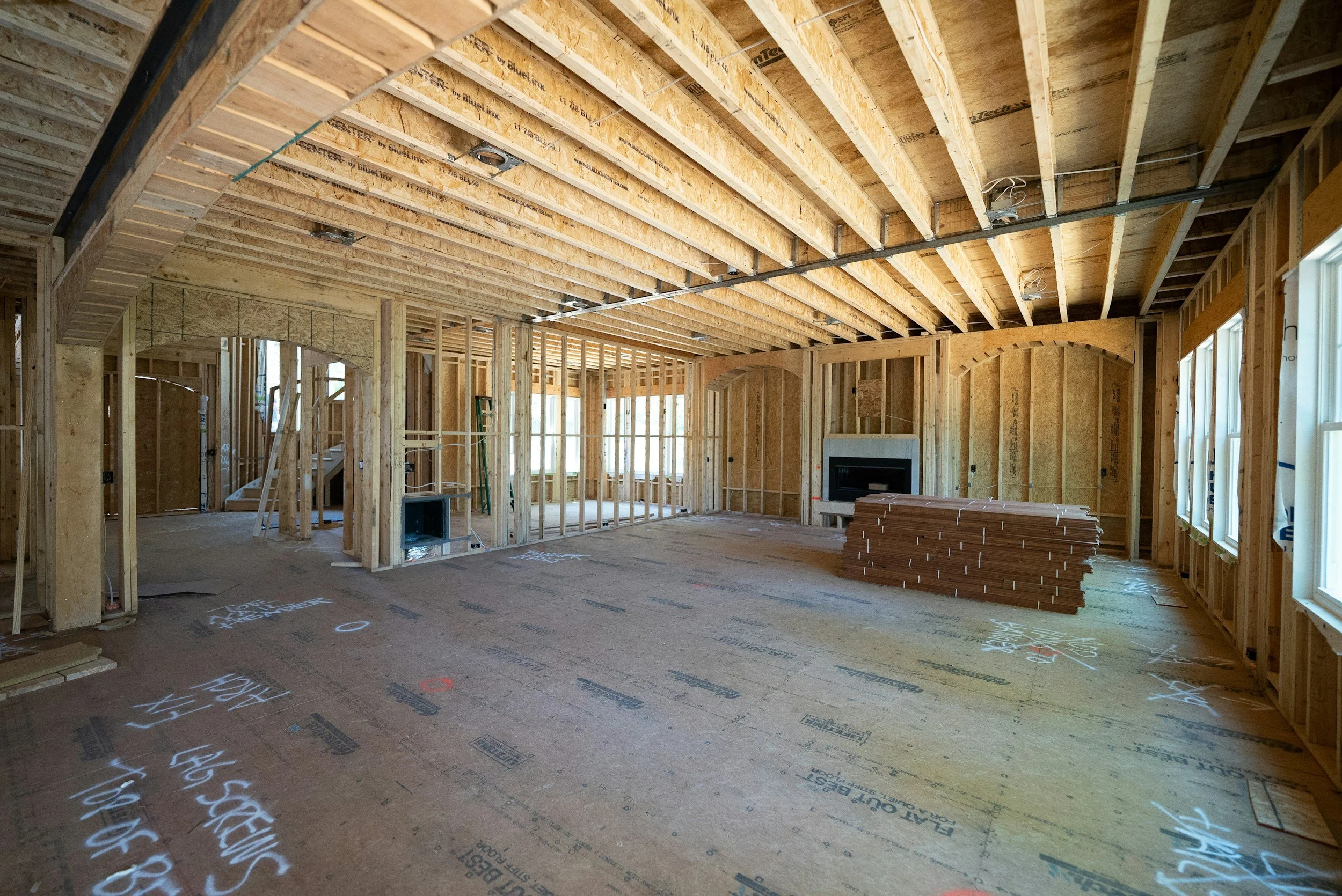
Pre-Drywall
Review air sealing, framing penetrations, insulation readiness, and envelope details before walls and ceilings are closed.
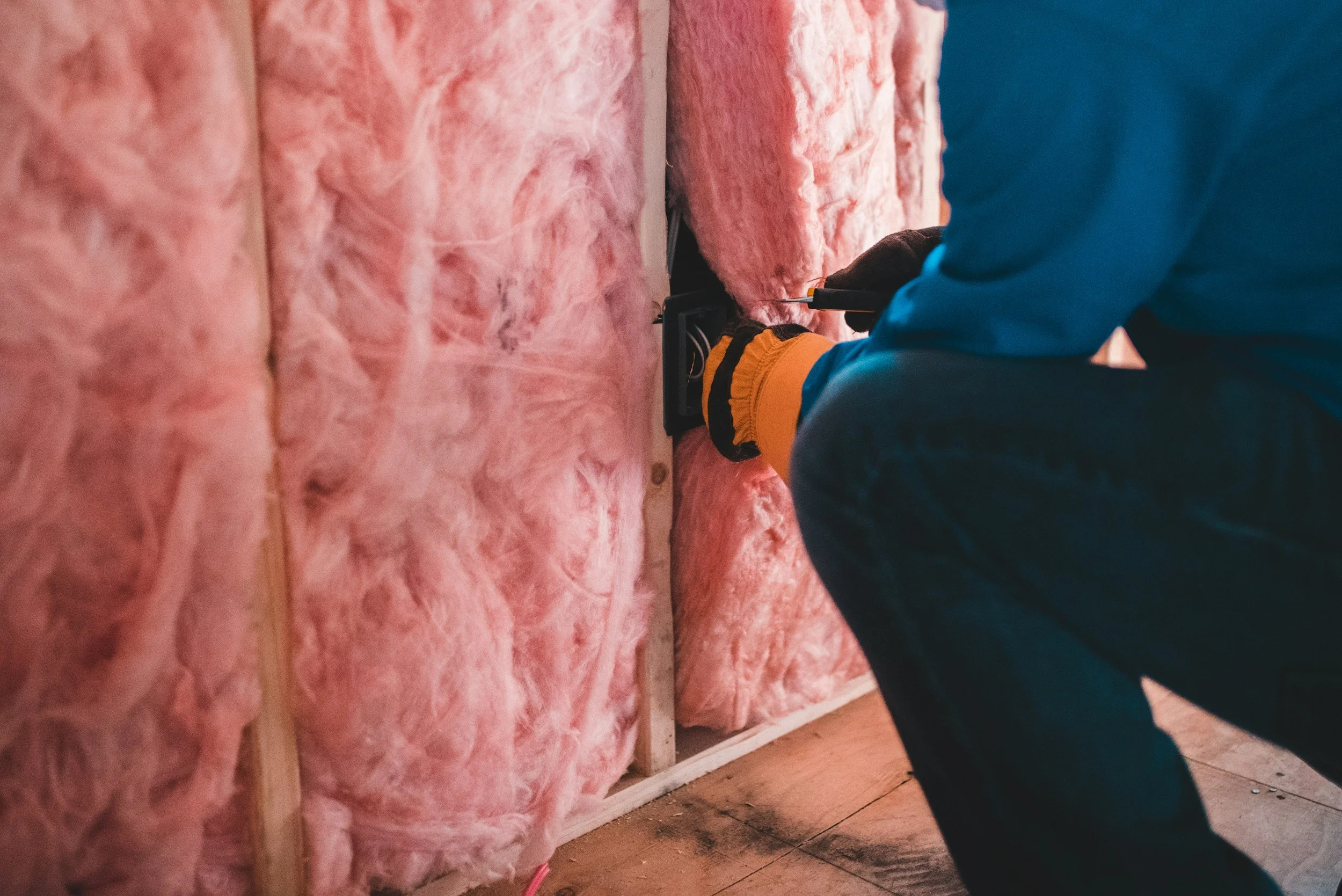
Insulation Stage
Verify that insulation is properly installed, aligned with air barriers, and free from gaps, compression, or missing areas.
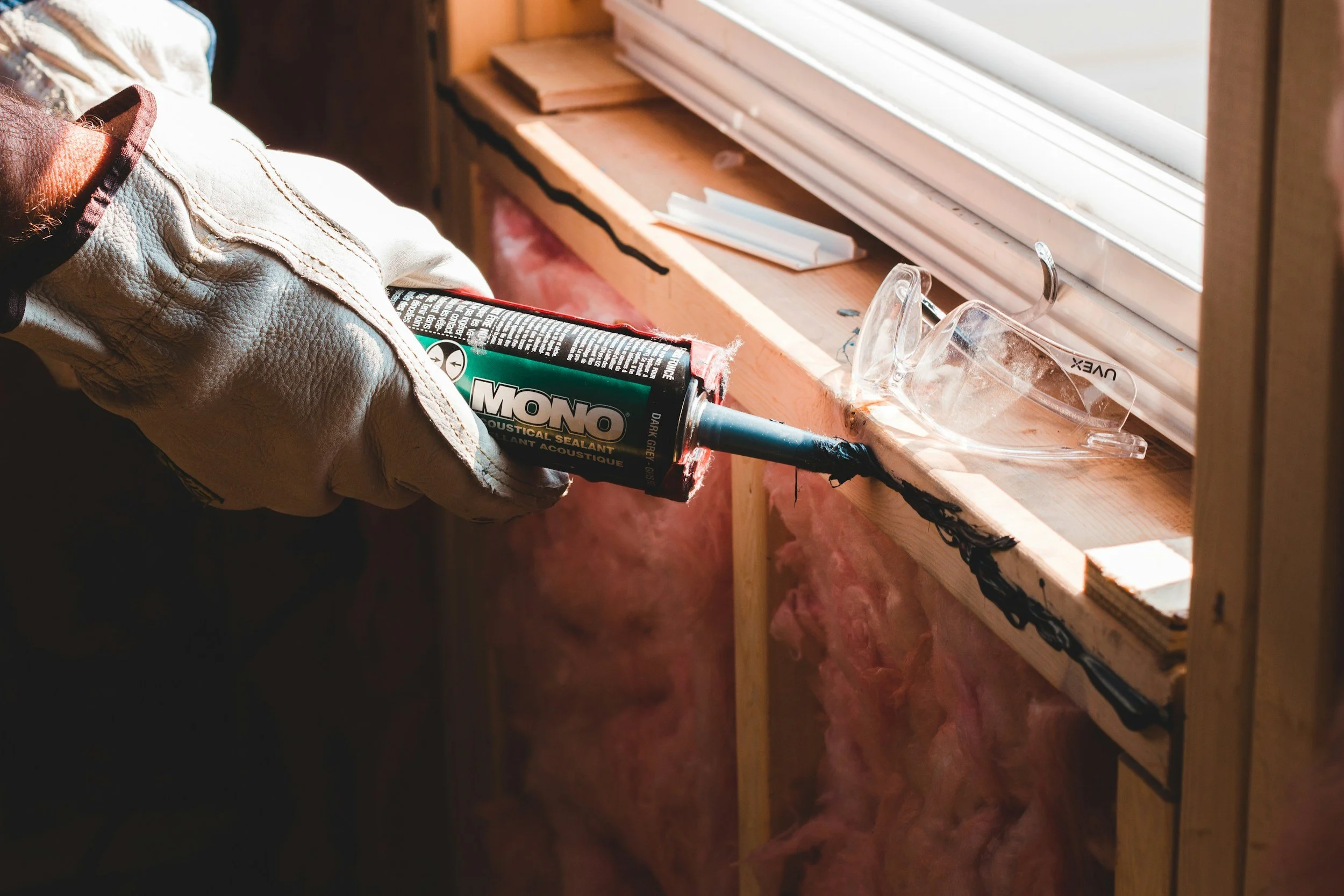
Pre-Testing
Confirm that air sealing and duct sealing details are ready before blower door or duct leakage testing.
Final Review
Provide an additional quality check before inspection, closeout, or owner delivery.

Residential & multifamily projects
Built for production schedules
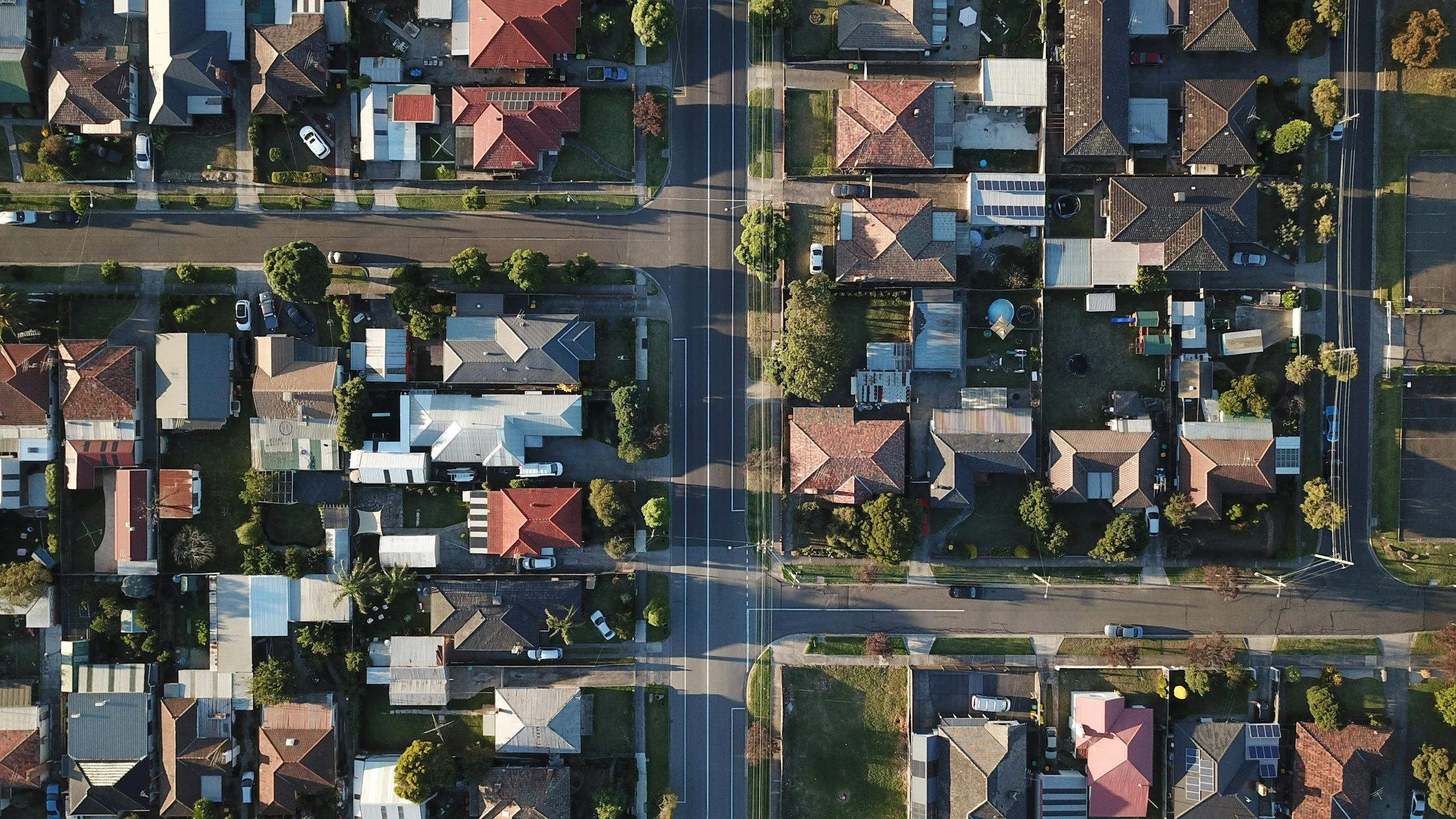
RunBrook supports single-family homes, multifamily communities, and large-scale production home projects with inspection services designed around construction schedules. Our team understands the importance of consistency across multiple units and phases, especially when builders are working toward code compliance, performance testing, or above-code program requirements.
Commercial quality assurance inspection
Support for commercial building performance
RunBrook also provides quality assurance inspections for commercial buildings, mixed-use developments, and large-scale construction projects. Our inspections help verify that envelope, air sealing, insulation, and mechanical-related details are installed correctly and aligned with project requirements.
For commercial projects, these inspections can help reduce risk, improve documentation, and support smoother project closeout.
Why choose RunBrook?
RunBrook brings field experience, testing knowledge, and construction coordination to every inspection. Because our team also performs blower door testing, duct leakage testing, and energy-related verification services, we understand which details matter most for building performance and compliance.

By partnering with RunBrook, builders can expect:
Experienced inspection professionals
Residential, multifamily, and commercial project expertise
Support for high-volume production schedules
Clear reporting and communication
Fast turnaround times
Third-party verification and documentation
Building performance knowledge
Frequently Asked Questions
-
These inspections are typically most valuable before drywall, during insulation installation, before blower door or duct leakage testing, or before final inspection and project closeout.
-
Yes. By reviewing air sealing, envelope details, insulation alignment, and duct-related items before testing, these inspections can help reduce the likelihood of failed performance tests.
-
Yes. RunBrook can provide clear inspection notes, photos when applicable, and documentation to help support corrections, compliance, and project closeout.
-
Quality assurance inspections are not always required by code, but many builders and developers use them to reduce risk, improve consistency, and avoid costly issues before final inspections or performance testing.
-
These inspections are commonly requested by builders, developers, general contractors, construction managers, energy consultants, and owners who want added confidence in the quality and performance of a project.
-
Yes. Inspection scopes can be tailored based on the project type, construction phase, building systems, and specific concerns from the builder or project team.
-
RunBrook documents the findings clearly so the project team can review, correct, and prepare for the next construction phase, performance test, or inspection.
-
Yes. Reinspection can be scheduled to verify that noted items have been addressed and the project is ready to move forward.
-
No. These inspections are designed to support construction schedules by identifying issues early, when they are easier and faster to correct.
-
Yes. Quality assurance inspections can support project teams pursuing improved energy performance, green building certifications, or above-code construction standards.

Prefer to talk first?
Call us at 1-833-RunBrook
(1-833-786-2766)
or email us directly at info@runbrook.com
We’ll get back to you right away!
Discuss Your Next Project
If your project requires energy modeling, certification support, HERS ratings, blower door testing, or other building performance services, RunBrook can help keep the process moving from design through final verification.